

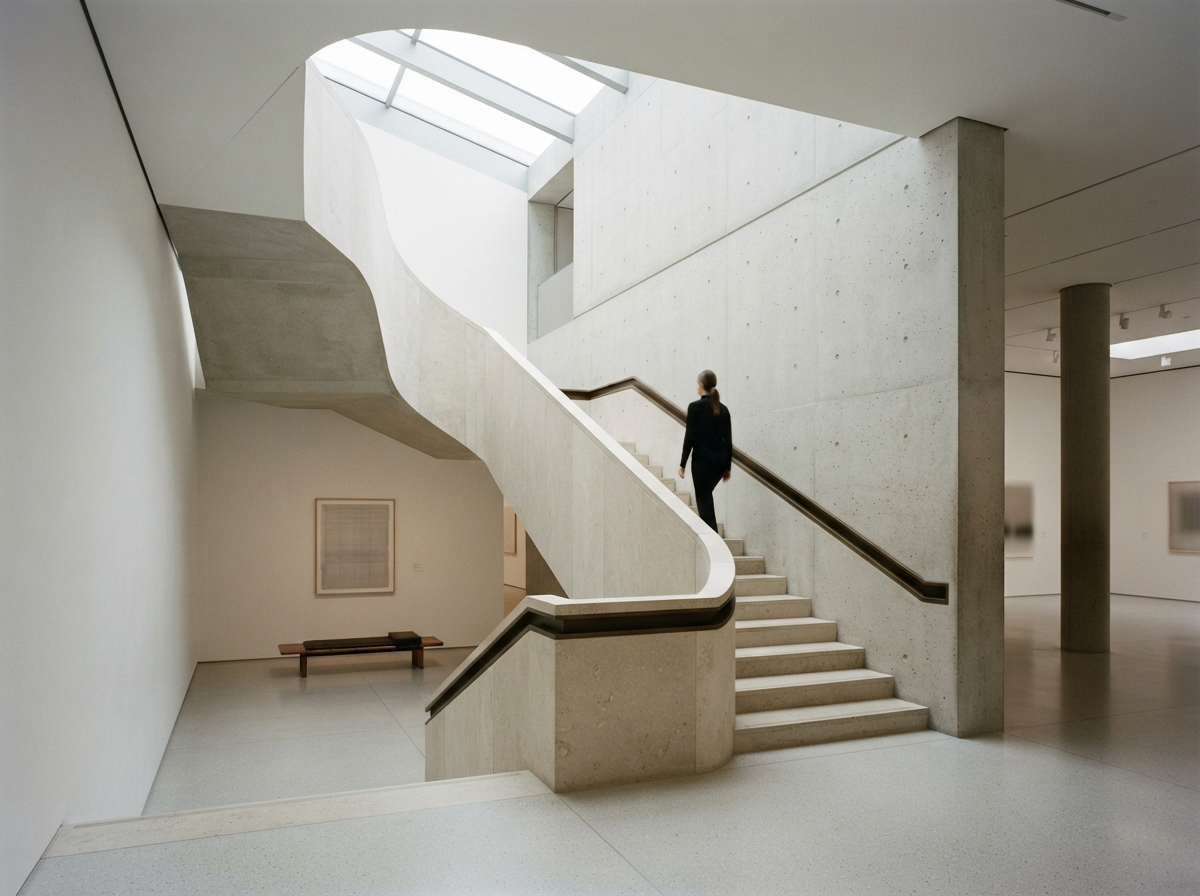
In an era where every airport lounge, boutique hotel, and private club competes to overwhelm the senses with curated synthetic scents, omnipresent digital acoustics, and relentless visual stimulus, the greatest spatial luxury has paradoxically become silence.
When our studio began the architectural choreography for Harbour House Singapore, we asked a fundamental question: what occurs when an interior deliberately refuses to speak? Rather than filling voids with decorative embellishment and transient stylistic accessories, we carved out vast transitional thresholds where the human eye can rest and the nervous system can decompress.
“Silence in architecture is not merely the absence of acoustic disturbance. It is a physical, sculptural presence.”
It is the rhythmic cadence of a fluted travertine corridor where natural daylight shifts by single degrees across three hours. It is the solid, reassuring weight of an unlacquered bronze handle that cools to the touch at dusk. It is the geometric discipline of uninterrupted 90-degree lines that allow shadow and silence to command the room.
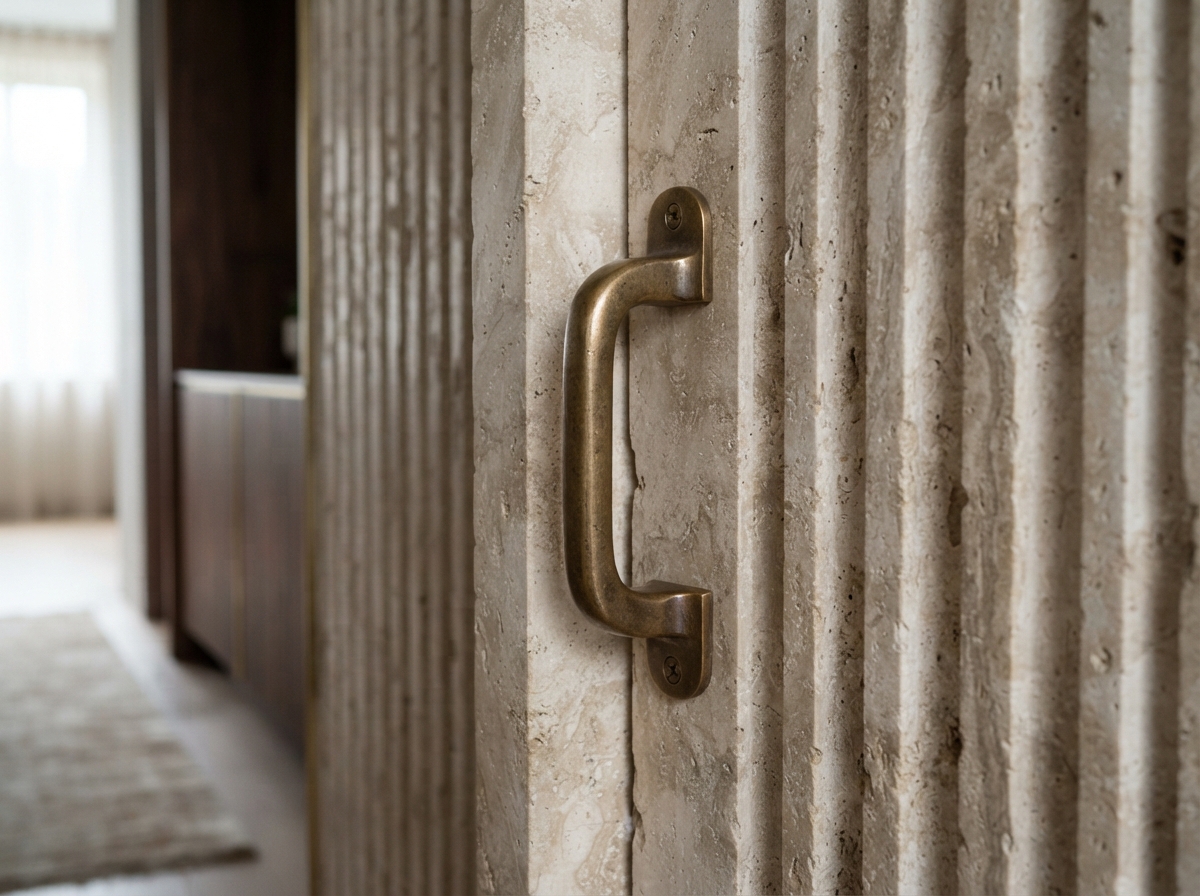
PLATE 02 // TACTILE RESONANCE IN UNLACQUERED BRONZE AND HONED ITALIAN TRAVERTINE
By drawing upon the disciplined spatial restraint of Cistercian cloisters and mid-century Japanese tearooms, contemporary hospitality can offer what high-velocity urban life has systematically erased: the psychological envelope to think, reflect, and belong outside the ordinary.
We do not build for photographic immediacy. We build for the hour after sunset, when artificial light dims to a warm ember and human dialogue finds its natural, unhurried cadence.